
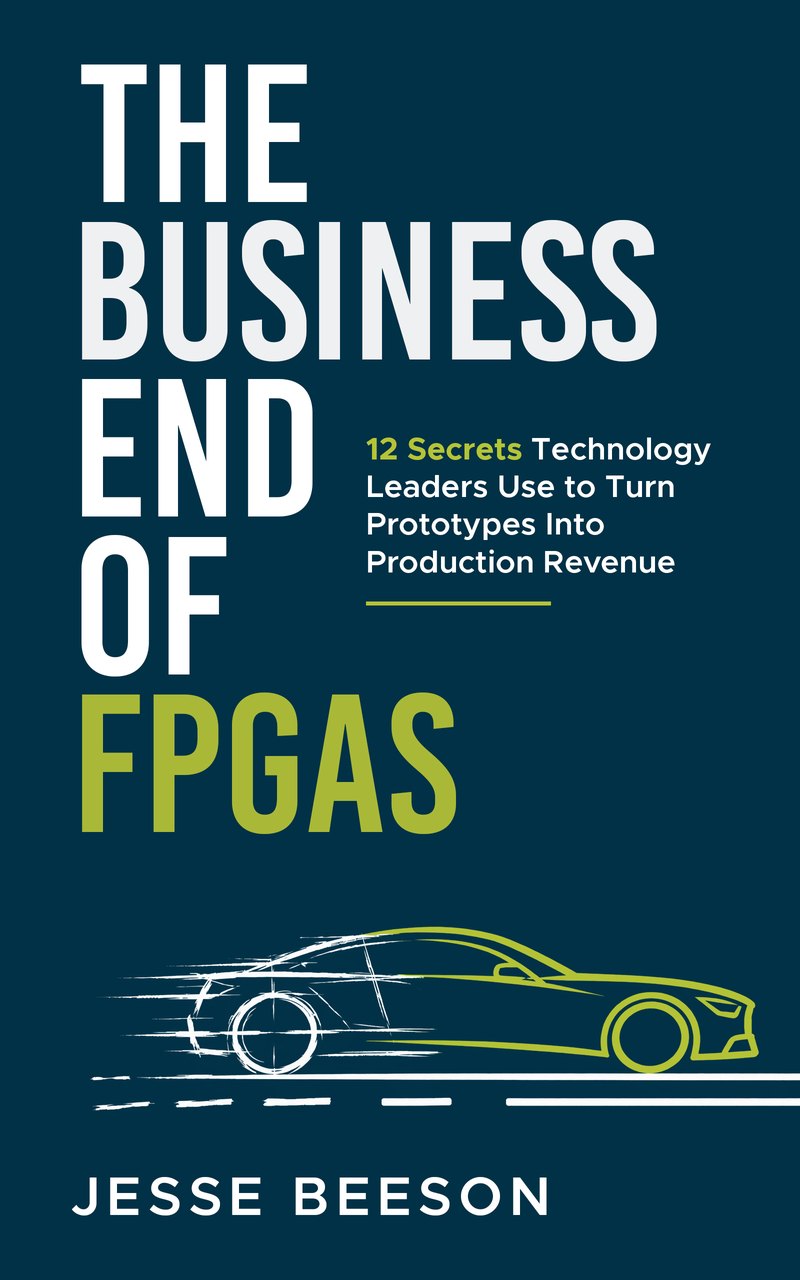
Working hardware is not a product. This book is about the rest.
The Business End of FPGAs: 12 Secrets Technology Leaders Use to Turn Prototypes Into Production Revenue covers the second program running inside every FPGA program: supply chain, cost, compliance, risk, and the handoff from the team that built it to the team that has to sell it.
- An advance digital copy, before the book goes on sale
- The launch date, as soon as it is set
- First word on launch-week pricing
Free. Your email only goes to Xlera, and you can unsubscribe in one click.
The engineering held up. The program stalled anyway.
Every FPGA program is really two programs. One has an engineering scorecard: milestones, DVT, PVT, and everyone watches it. The other has a commercialization scorecard, and almost nobody does.
When a program with working hardware stalls, it is nearly always the second scorecard. The supply chain was not ready, the cost model did not survive production, or nobody owned the integration. This book is the playbook for that second program, written for the leaders who answer for the revenue, not just the design.
The 12 secrets
Each one is a pattern that quietly turns a working prototype into a late, expensive product, and what technology leaders do about it.
- #1The Concept TrapThe engineering scorecard is green and nobody is running the commercialization one.
- #2The Six Infrastructure GapsSupply chain, compliance, integration, IP, manufacturing, and the scorecard itself.
- #3The Stakeholder Alignment ProblemExecutives, customers and procurement each define “on track” differently.
- #4The 90-Day Commercialization AuditWhere the program actually stands, not where it reports it stands.
- #5The Vendor Stack DecisionVendor and IP choices that lock in consequences nobody budgeted for.
- #6The Cross-Functional Alignment MethodCompetent workstreams building to different specs, with no named integration lead.
- #7The Development Cycle Compression PlaybookWhich parts of a long schedule can safely shrink, and which cannot.
- #8The Cost-of-Production LandmineRe-spins, compliance retrofits, yield failures, and slips the budget does not carry.
- #9The Risk Cascade ModelWhy connected risks listed as independent ones sink programs.
- #10The Supply Chain Reality CheckAnchor components with lead times, single sources, or end-of-life dates nobody has checked.
- #11The Revenue RoadmapTurning a milestone report into the revenue timeline the board needs.
- #12The Differentiation ArgumentWhy buyers weigh delivery risk over performance specs.
Be first to read it.
Add your name and email. We’ll send your advance copy before launch, along with the date.
You’re on the list.
We’ll send your advance copy before launch, along with the date. Keep an eye on your inbox for an email from Xlera Solutions.
Questions? Call 888-408-0684, option 2.